Have you spent time writing down how you want things done? If so, firstly, welldone! You're in the minority but one of my fave salon owners.
Perhaps you created a checklist for client onboarding, or a standard operating procedure for cleaning treatment rooms between appointments. You even printed them out and put them in a staff handbook. Yet when you walk the salon, nobody is following them. The receptionist still takes bookings however they feel like it that day. The therapists are using different products in a different order depending on what you happen to have in stock.
It is incredibly frustrating. You built these systems to help everyone work more smoothly and to reduce your own workload. And, importantly, to offer a consistently delicious experience to your clients. Instead, you find yourself constantly correcting small errors or stepping in to fix inconsistencies. It feels like nobody is listening, but the problem rarely lies with their willingness to try. It usually comes down to how those systems were introduced and how they are updated.
Why good intentions are not enough
I see this dynamic regularly in clinics and salons across the UK. The owner has a clear vision for how the business should run. They know that consistency builds trust with clients and protects profit margins. So they give up a couple of their precious evenings, and create a system.
The document looks good on paper. It covers all the bases - sometimes exhausting every possible scenario. But creating a process is only half the job. The other half is ensuring your team actually adopts it as part of their daily routine. If you hand someone a new procedure and expect immediate compliance without support, you are setting them up to fail. People revert to old habits when change feels abrupt, confusing, or unsupported.
Communication gaps in busy treatment rooms
In the fast-paced environment of a salon, time is at a premium. Staff members are juggling multiple clients, managing stock levels, and dealing with last-minute appointment changes. In that pressure cooker, complex instructions get lost. If your system requires five steps to complete a simple task, it will likely be skipped when things get busy.
Think about the last time you introduced a new treatment protocol or updated your consultation for facials and injectables. Did you explain why the change mattered? Or did you simply say, "We are doing this now"? Without understanding the purpose behind the system, staff view it as an obstacle rather than a tool. All they see is extra work.
When I help owners stop micromanaging their salon staff, we always look at clarity first. If the team does not understand the goal, they cannot align with it. Clear leadership means explaining the 'why' alongside the 'how'. It means showing them how a consistent client intake form leads to better treatment outcomes and fewer complaints.
The training trap
Many owners assume that showing something once is enough. You demonstrate the correct way to stock the trolley for skin treatments, or mix up a colour, make the team member watch them do it once, and then move on. That is not training. Real training involves repetition, feedback, and correction over time.
If a therapist consistently misses a step in your protocol, pointing it out once rarely changes the behaviour. They may forget under pressure or revert to what feels fastest. You need to build accountability into the process. This does not mean hovering over their shoulders. A series of gentle checkpoints where the system is reviewed and refined together is far more effective.
Building robust processes takes patience. As I discuss in my post on how to build systems in your salon so you're not doing everything, the aim is sustainability. A system that collapses under pressure is not a system at all.
Make it simpler than you think
Simplicity wins every time. If your current procedures are lengthy documents tucked away in a drawer, no one will use them. Break them down into visual checklists, flowcharts, or quick-reference cards that live where the work happens. Put a laminated card next to the reception desk detailing the exact questions to ask during new client consultations.
Use language your team actually uses. Avoid corporate jargon. If you run a clinic offering aesthetics and massage, speak about 'client comfort' and 'treatment safety', not 'operational efficiency'. When the language resonates with their daily experience, they are more likely to engage with it.
Start with one small change
Don't try to overhaul every process at once. Pick one area that causes you the most friction right now. Maybe it is how stock orders are placed, or how client feedback is recorded after a waxing appointment. Write down the ideal version of that single task.
Bring your team together for a brief meeting. Explain why this specific change will make their lives easier or improve client satisfaction. Ask them what they think might go wrong and address those concerns openly. Then implement it, watch how it runs for two weeks, and adjust based on real feedback rather than assumptions.
Consistency builds slowly. It requires steady reinforcement, not sudden demands. When your team sees that the system works and that you are invested in making it work for them too, they will follow it. The result is a smoother operation where you can finally step back and let the business run itself.
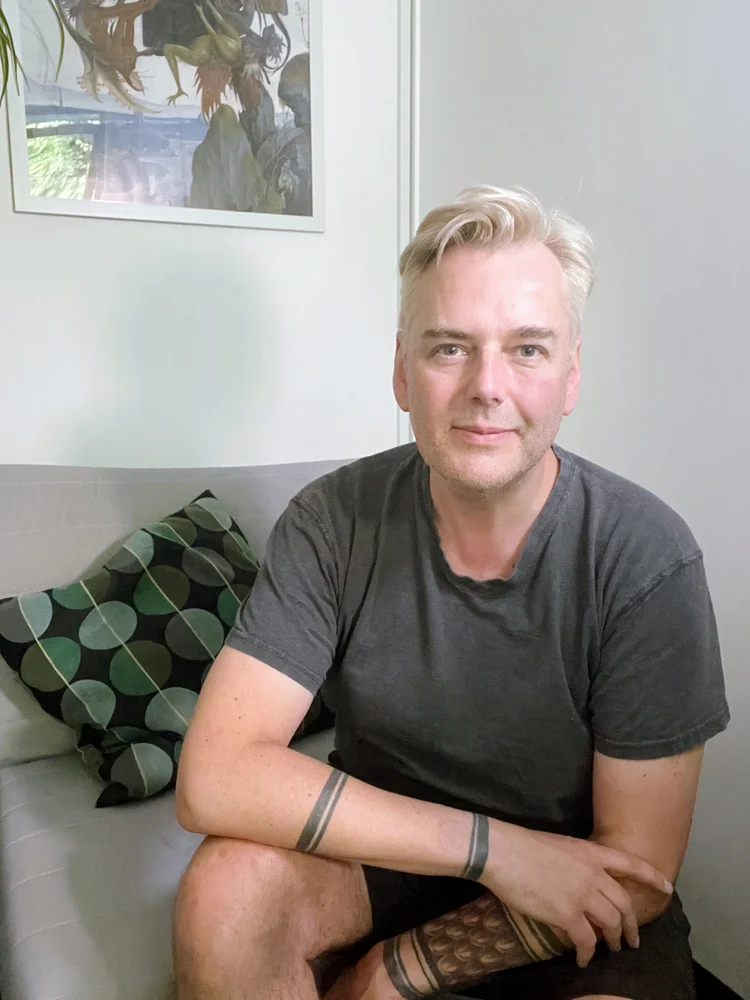
Phil Jackson is a salon business coach and the founder of Build Your Salon. He spent over twenty years running his own salon before moving into coaching, and works with salon owners across the UK and beyond through his programmes Salon Spark, 1:1 Clarity, and the Evil Genius Retreat.
Ready to work with a coach who'll tell you what you need to hear?
Find out more about Phil's programmes and how to get started.
See all programmes →