I get asked this question quite a lot. You are looking for help to move your business forward, but you are not sure which type of professional will actually solve the problem you have in front of you. The terms consultant and coach get used interchangeably in our industry, but they actually mean quite different things.
The distinction matters because hiring the wrong person can leave you with a plan you do not know how to execute, or worse, a big bucket of confidence without any real change in your business. I have seen salon owners spend significant money on advice they never implemented simply because they needed accountability, not just information. And it's frustrating for the coach or consultant too.
What a consultant actually does for you
A consultant is an expert who comes in to diagnose a problem and recommend a solution. Usually we're brought into a business to look at one particular aspect of your salon. We'd look at your pricing structure, your floor plan, or your marketing strategy, and they tell you what we think might be wrong and recommend a plan to fix it. You are paying for industry knowledge and their ability to see things from the outside.
This works well when you have a specific problem you've identified (though sometimes you'd bring a consultant in becuase you know there is *something* wrong in an area, you're just not sure what). If you need to understand how to price a new skin treatment range or how to set up a basic booking system, a consultant can hand you that framework. They do the heavy lifting of analysis, and they hand over the blueprint for you to follow. Some consultatnts even get involved in the implementation and actually manage the doing of the work too.
How coaching is different
Coaching is less about giving answers and more about helping *you* find the answers yourself. I do not come in and rewrite your business plan from scratch. Instead, we look at where you are stuck and I ask questions that help you clarify your own thinking. The focus shifts from what the business should do to who you need to become as a leader to make it happen.
If this sounds a bit woolly ... well, it sometimes can be! Coaching can often start out with a very defined remit but then wander into all areas of your business and get you to look hard at the decisions you're making day to day.
This is particularly important for salon owners who feel exhausted or micromanaging their teams. The issue is rarely just a lack of systems, which I cover in how to build systems in your salon so you are not doing everything. It is often about the habits and mindset that keep you tied to the treatment room or the front desk. A coach works with you on those deeper layers.
Why the confusion persists
The line blurs because many professionals offer a blend of both. I might suggest a specific pricing adjustment, which sounds like consulting, but we only get there after discussing your goals and fears about raising prices. The delivery is similar, but the foundation is different. One relies on my expertise alone, while the other relies on our partnership.
the way I've navigated the difference is by offering both consulting *and* coaching, but never at the same time. I'm very clear at the start of a relationship with a salon owner what the next few months will look like, what I am offering and I set clear boundaries on their expectations. Consulting may well turn into coaching, but it's importatnt to name it, redefine the relationship and move forward in an open way rather than let things drift.
If you are unsure whether to hire a business coach for your salon, it helps to look at where you feel most friction. If you know exactly what you need to do but struggle with motivation or implementation, coaching is likely the better route. I discuss this decision process in more detail in should I hire a business coach for my salon.
When you need both at different times
Your needs will change as your business grows. In the early stages, you might need more direction and concrete steps to get your basics right. And it can be frustrating to be coached on mindset when what you *really* need is someone to tell you how to price the damn thing! As you stabilise, you may find that technical advice is less useful than support with leadership, team dynamics, or goal-setting and productivity (my faves!) Learning how to stop micromanaging your salon staff usually requires a coaching approach because it involves changing your daily behaviour.
It is perfectly fine to work with a consultant for a specific project, such as launching a membership programme, and then move to ongoing coaching to maintain momentum. The key is to be honest about what you actually need in the moment rather than assuming one size fits all.
A practical first step
Before you commit to any programme or hire anyone, take an honest look at your current bottleneck. Is it a lack of knowledge, or is it a lack of action? If you know what to do but are not doing it, you need accountability and strategy refinement. If you genuinely do not know how to price your services or structure your team, you need expert advice.
If you are ready to look at the numbers in your business with fresh eyes, my five money fixes mini course is a good place to start. It gives you immediate clarity on your pricing and profit margins without requiring a long-term commitment. Once those numbers are clear, we can decide together whether the next step is deeper coaching or specific consulting work.
I have worked with many owners who were confused by these labels, and finding the right support changed their trajectory completely. It is about matching the tool to the task. If you want to explore working together, you can find more information on my coaching work and how I help salon owners build steadier businesses.
Phil Jackson is a salon business coach and the founder of Build Your Salon. He spent over twenty years running his own salon before moving into coaching, and works with salon owners across the UK and beyond through his programmes Salon Spark, Salon Accelerator, and the Evil Genius Retreat.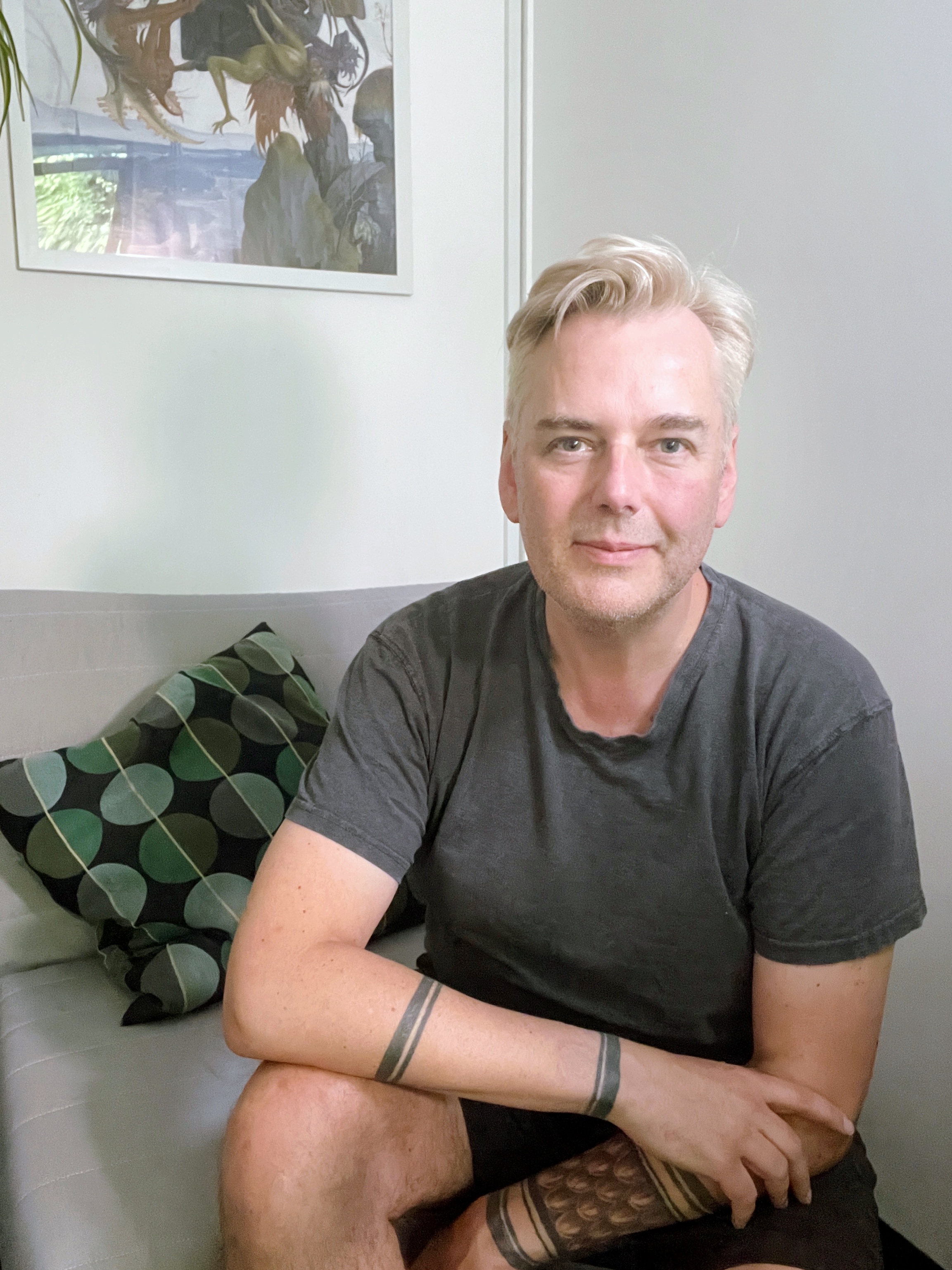
Ready to work with a coach who'll tell you what you need to hear?
Find out more about Phil's programmes and how to get started.
See all programmes →