
I see it all the time. You arrive at the salon or clinic before opening, armed with a cup of coffee and a list that feels twice as long as it did yesterday. By lunchtime, you are answering messages, fixing a booking error, restocking products, and trying to remember what you were meant to be working on. The day ends with you exhausted, not because you achieved a ton, but because you put out a whole lot of fires.
This is your sign that something needs fixing. When the business runs through you rather than around you, overwhelm is the default state. The good news is that it can be fixed, and it starts with accepting that you cannot (and probably shouldn't) do everything yourself.
Why does it feel like there is never enough time?
The feeling of being overwhelmed usually comes from a lack of clear boundaries between your role as the owner and your role as the stylist or therapist. You are likely stepping in to handle tasks that should be handled by systems (or, if you have one, by your team.) This might mean answering client questions that could be answered by an automated message or better info on your website, or fixing staff mistakes because you trust yourself more than you trust them.
Every time you step in, you reinforce the idea that the business cannot run without you. This creates a cycle where you become busier, your team becomes less confident, and the workload on your plate grows. It is a trap that many salon owners fall into because they care deeply about their clients and their staff and they know the standards they want to see.
What is actually causing the stress?
Stress in a salon or clinic environment usually stems from unpredictability and inconsistency. When there are no clear processes for how things should be done, every situation feels like a new problem to solve. Did the receptionist handle that enquiry correctly? Is the treatment room set up for the next client? Have we ordered enough stock?
Relying on memory rather than systems means your brain is constantly working to hold all that information. This mental load is draining and leaves you barekly any energy for strategic thinking (or enjoying your business.) The solution is not to work harder, but to create clarity so that decisions are made by the system, not by your stress levels.
How do you start building systems?
Building systems does not mean creating massive handbooks that nobody reads. We start by documenting the most frequent tasks and making them repeatable. Top of the list are the things that cause you the most friction. If you find yourself reminding your team to greet clients in a way that doesn't make your toes curl, write down the exact steps for a great client welcome.
Once it is written down, share it with your team and ask them to follow it. Then, step back and let them do it. It will not be perfect at first, but perfection is not the goal. Consistency is. Over time, these small processes add up to a business that runs smoothly without you hovering over every detail. For a deeper look at this, I have written more about how to build systems in your salon so you are not doing everything.
What if my team is not ready?
It is common to feel that your team is not capable of handling more responsibility. This often leads to micromanaging, which only makes the problem worse. The key is to provide clear leadership and then trust them to execute. If you are unsure how to delegate effectively, it might be worth looking at how to stop micromanaging your salon staff.
Clarity is kindness. When you give clear instructions and expectations, you are giving your team the tools they need to succeed. This reduces their stress (and makes their day more interesting) as well, because they know exactly what is required of them. A calm leader creates a calm team.
Where should you focus first?
Start by identifying the one task that drains your energy the most. Is it dealing with client complaints? Managing stock levels? Handling social media DMs? Pick one area and build a simple system for it. Write down the steps, assign it to someone else if possible, or even better, automate it if you can.
Once that is running smoothly, move on to the next biggest pain point. You don't want the process of change or building the systems to become overwhleming in itself. Small, consistent wins build momentum and confidence, both for you and your business.
What is the first step you can take today?
Take thirty minutes to write down the three tasks that cause you the most stress this week. For each one, ask yourself: can this be automated? Can this be delegated? Can this be eliminated? If the answer is yes to any of those, make a plan to implement it within the next seven days.
For example, if client enquiries are taking up too much time, set up an automated response for your social media and website. If stock management is chaotic, create a simple checklist for weekly orders. These small changes can have a big impact on your daily workload and peace of mind.
How can coaching help?
Sometimes, it is hard to see the blind spots in your own business. A coach can help you identify where you are over-investing your time and energy, and guide you through the process of building systems that work for your specific situation. If you are curious about whether coaching is right for you, I have written a post on whether you should hire a business coach for your salon.
The goal is not to become indispensable. The goal is to build a business that thrives without you being present every minute of the day. This gives you freedom, reduces stress, and allows you to enjoy the work you have created.
If you want some immediate help with the financial side of running your salon, my 5 Money Fixes mini course offers practical steps to get your finances under control quickly.
Phil Jackson is a salon business coach and the founder of Build Your Salon. He spent over twenty years running his own salon before moving into coaching, and works with salon owners across the UK and beyond through his programmes Salon Spark, Salon Accelerator, and the Evil Genius Retreat.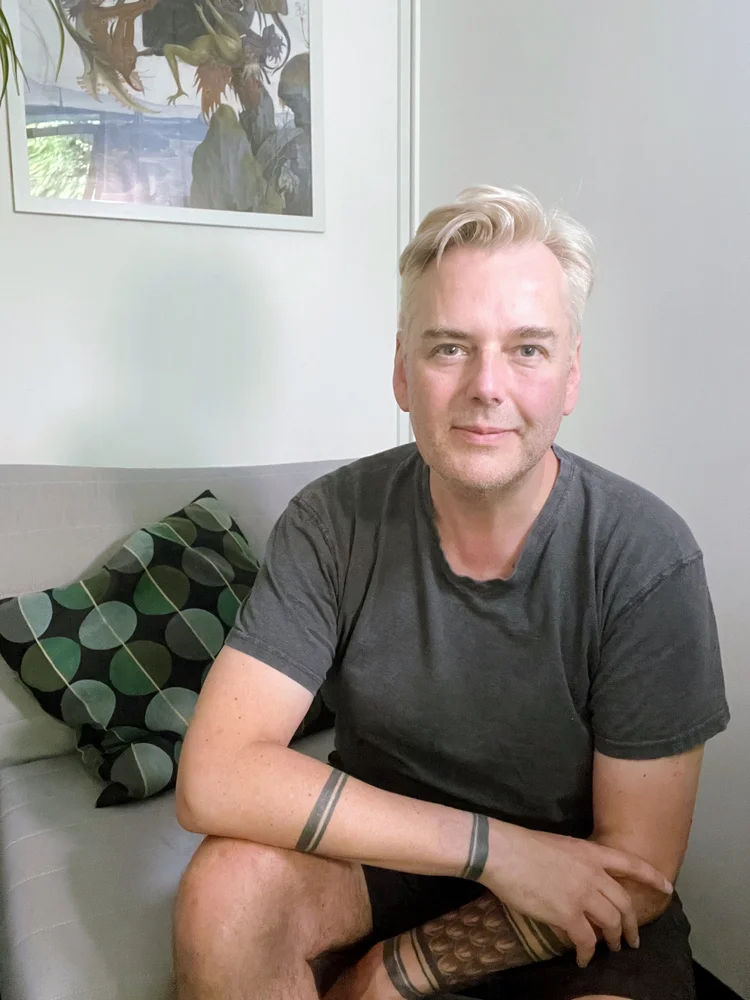
Ready to work with a coach who'll tell you what you need to hear?
Find out more about Phil's programmes and how to get started.
See all programmes →